جسر بين العقول والأسواق في الجامعة الأميركية في بيروت: الابتكار والبحث في سبيل لبنان مستدام

جسر بين العقول والأسواق في الجامعة الأميركية في بيروت:

الابتكار والبحث في سبيل لبنان مستدام

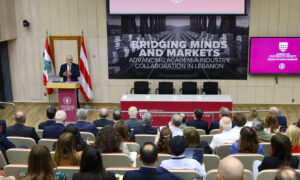
Bridging Minds and Markets at AUB:

Innovation and Research for a Sustainable Lebanon

almontasher >عقد مركز البحث والإبتكار والابداع في كلية الآداب والعلوم في الجامعة الأميركية في بيروت أول مؤتمر بعنوان “جسر بين العقول والأسواق” لاستكشاف كيف يمكن للأكاديميا أن تدعم بنشاط نمو لبنان الصناعي من خلال الابتكار والبحث وتطوير القوى العاملة. المشاركون، من الجامعة الأميركية في بيروت، ومن الدولة، ومن بعض الصناعات الرائدة في لبنان، تناقشوا في كيف يمكن للجامعات أن يكونوا شركاء موثوقين في اجتراح حلول محلية، ونقل التكنولوجيا، ودعم التطويرات المحلية.


في كلمته الافتتاحية، قال رئيس الجامعة الأميركية في بيروت الدكتور فضلو خوري، “في حين أن المسافة لا تزال تباعد بين الأكاديميا والصناعة، فإن هذا المؤتمر هو دعوتنا لتجاوز المبادرات المتبعثرة والاتجاه نحو المزيد من التغييرات النُظُمية ونحو بُنى تحتية رسمية للتعاون والتسريع“.

وشدّد الرئيس خوري أيضاً على أهمية التعاون بين الدولة والصناعة والجامعات قائلا، ” لقد أثبت نموذج الحلزون الثلاثي للابتكار الذي يجمع القطاع العام والقطاع الخاص والأكاديميا أنه عالي الفعالية في مواقع غير لبنان. ولبنان يحب ان يشكل نموذجه الخاص المنبثق من سياقه، ولكن المدفوع بالطموح المشترك وبالإيمان بان هذا البلد سيصبح وطناً مستداماً أعدل وأكثر اشتمالية للجميع“.

متناولاً تاريخ لبنان المديد في خسارة ألمع عقوله، قال الرئيس خوري عن الشباب اليوم، “بينما يستعد الكثيرون للهجرة، مشكّكين بدورهم في مستقبل لبنان، فإننا إذا تمكّنا أن نوضح لهم أن التعليم يدرّ الوظيفة والفرصة وحتى القيادة… فإن المزيد والمزيد منهم سيختارون البقاء.” وقد تم الأخذ بهذه الفكرة من قبل متحدّثين آخرين، اقترحوا التعاون الوثيق مع لبنانيي المُغترَب، الجاهزين لاستثمار الأموال ووضع خبراتهم في الابتكار ومعارفهم وشبكاتهم في خدمة لبنان.


وأجمع المتحدثون على أنه خلال أزمة لبنان الاجتماعية والاقتصادية التي استمرّت خمس سنوات، كانت الصناعة من بين القطاعات القليلة، إن لم تكن القطاعات الوحيدة، التي تجنّبت تسريح العمال. ورأوا أن قطاعات رئيسية مثل الزراعة والأغذية، والأدوية، والتوضيب، والانتاج، والمجوهرات، يمكن أن تستفيد من التعاون مع الأوساط الأكاديمية. المشاركون أيضا أبرزوا التكنولوجيا الحيوية والذكاء الاصطناعي كأولويات ناشئة.


وشدّدت المناقشات على أن معظم الشركات الصناعية اللبنانية هي شركات صغيرة ومتوسطة الحجم تحتاج إلى الحماية والدعم. ولاحظ المشاركون أنه بغضِّ النظر عن حجم الشركات، فعندما يتعلّق الأمر بالصناعة، لا يتوجّب على لبنان فقط تلبية احتياجات سكانه الأربعة ملايين، بل أيضاً سكان الشرق الأوسط بأكمله، وهم يضمون ما لا يقل عن نصف مليار مستهلك.


ولفت المشاركون إلى أن الدولة لديها أيضاً دورٌ مهمٌ تلعبه في تشجيع الصناعة، وهو ما لم يحصل منذ التسعينيات؛ وهم سلطوا الضوء على أن الضرائب وتكاليف الإنتاج لا تزال مرتفعة جداً خاصة بالنظر الى فواتير استهلاك الكهرباء، وإدارة النفايات والاستحواذ على الأراضي.


ولفت المتحدثون إلى أنه لا صناعة من دون ابتكار، ولذا فإن إجراء الأبحاث أمر بالغ الأهمية، وهو المجال الذي يمكن أن تساهم به الأكاديميا. وأكدوا على أهمية التعاون، وأخذ احتياجات الصناعات المحلية في الاعتبار لتطوير برنامج دراسي جامعي يوائم هذه الاحتياجات ولتكوين حاضنات في الحرم الجامعي. وأعطيت أمثلة على ذلك مثل وادي السيليكون.


ومن الذين تناولوا هذه النقطة الدكتورة كارول أبي كرم، المديرة العامة لـشركة فارمالاين، والتي قالت، “نحن نعمل في قطاع من الابتكار والابحاث، لذلك نحن بحاجة إلى رعرعة ابداعاتنا وتحسينها بشكل مستمر، مع علاجات مبتكرة ومتقدمة. وهنا نحن نحتاج إلى الدعم – ولكن الدعم العملاني – من الجامعات، في مشاريع الأبحاث التطبيقية، إلى جانب الأبحاث المنشورة. وقالت إن المنشورات مهمة لصناعة الدواء كما هي مهمة للجامعات“.


وفي حلقة نقاش أخرى، قال وزير الصناعة جو عيسى الخوري، “لنجاح تحويل الأبحاث إلى حلول صناعية قابلة للحياة تجاريًاً، يجب أن تعمل ثلاثة ركائز معاً: الأفكار والأشخاص والتمويل. تبزغ الأفكار من الصناعات المحلية والدولية، والشركات الناشئة، والأفراد. الجامعات – بدءاً من نظام التعليم المبكر – تلعب دوراً في إعداد المواهب الفذّة لتلبية احتياجات الصناعة هذه. وعندما تتحاذى النُظُم الأكاديمية القوية مع الصناعات المبتكرة، يتبع التمويل بشكل طبيعي“.


وتضمّن المؤتمر أيضاً متحدثين مثل عميد كلية الآداب والعلوم في الجامعة الأميركية في بيروت فارس دحداح والعميد المشارك وسام راجي، والرئيس التنفيذي لشركة صناعات التغليف العامة فادي عبود؛ ورئيس مجلس إدارة الشركة العصرية اللبنانية للتجارة وليد عساف، ورئيس مجلس إدارة شركة ضاهر فودز ميشال ضاهر؛ والرئيس والمدير التنفيذي لمجموعة شركات إندفكو نعمة افرام، والرئيس الفخري لشركة جميِّل اخوان فادي جميِّل؛ والمنسقة الوطنية للتواصل في برنامج الأمم المتحدة للتنمية الصناعية (يونيدو) ندى صبرا، ورئيس المجلس التنفيذي في إيرالب زياد شماس، ورئيس جمعية الصناعيين اللبنانيين سليم الزعني. وتم تنسيق النقاشات من قبل البروفيسور حسام الراسي والبروفيسور ربيع تلحوق والبروفيسورة تانيا حداد.


Bridging Minds and Markets at AUB:

Innovation and Research for a Sustainable Lebanon

The Research, Innovation, and Creativity Hub (RICH) within the Faculty of Arts and Sciences at the American University of Beirut (AUB), organized its first “Bridging Minds and Markets” forum, to explore how academia can actively support Lebanon’s industrial growth through innovation, research, and workforce development.

Participants from AUB, from government, and from some of the country’s leading industries discussed how universities could serve as reliable partners in creating homegrown solutions, transferring technology, and supporting local advancements.

In his opening remarks, Dr. Fadlo Khuri, AUB president, noted that, while distance remains between academia and industry, “This conference is our call to move beyond scattered initiatives and toward more systemic changes and a formal infrastructure for collaboration and acceleration.”

He also emphasized the importance of collaboration between the state, industry, and universities: “The triple helix model of public, private, and academic has proven highly effective elsewhere. Lebanon must shape its own version, grounded in our context, but driven by shared ambition and a conviction that this will become a sustainable country that is fairer and more inclusive for all.”

Remarking on Lebanon’s long history of losing its most brilliant minds, Khuri said of young people today, “While many are preparing to leave, questioning their role in Lebanon’s future, if we can show them that education leads to employment, opportunity, and even leadership…more and more will choose to stay.” This point was picked up on by other speakers as well, who proposed close cooperation with the diaspora, which is ready to invest money and put its innovative know-how, contacts, and networks at the service of the country.

The speakers agreed that during Lebanon’s five-year socioeconomic crisis, industry was among the few, if not the only, sectors that avoided layoffs. Key sectors like agri-food, pharmaceutical, packaging production, and jewelry could benefit from collaboration with academia. Experts also highlighted biotech and artificial intelligence as emerging priorities.

The discussion emphasized that most Lebanese industrial companies are small and medium-sized enterprises (SMEs) that need protection and support. Participants noted that despite the companies’ size, when it comes to industry, Lebanon should cater not only to its four million inhabitants but also to the entire Middle East, comprising at least half a billion consumers.

Participants pointed out that the state also has an important role to play in encouraging industry, which has not been the case since the 1990s; highlighting that taxes and production costs remain very high, particularly with regard to electricity bills, waste management, and land acquisition.

Speakers noted that since there is no industry without innovation, research is crucial, and it is in this context that academia could contribute. They stressed the importance of collaboration, and that the needs of local industries should be taken into consideration to develop a university curriculum that matches these needs and to create incubators on campuses. References were made to global examples such as Silicon Valley.

One of the panelists speaking to this point was Dr. Carol Abi Karam, general manager of Pharmaline, who said, “We are working in an innovation and research-driven sector, so we need to nurture and continuously improve our portfolio with innovative and advanced therapies. Here, we need the support—but the practical support—of universities in applied research projects, alongside publications. Publications are as important to the pharma industry as they are to universities,” she said.

In another panel discussion, Minister of Industry Joe Issa el-Khoury said, “To successfully transform research into commercially viable industrial solutions, three pillars must work together: ideas, people, and funding. Ideas emerge from local and international industries, startups, and individuals. Universities—starting from the early education system—play a critical role in preparing skilled talent to meet these industry needs. When strong academic ecosystems and innovative industries align, funding naturally follows.”

The event featured additional speakers such as Faculty of Arts and Sciences (FAS) Dean Fares Dahdah; FAS Associate Dean Wissam Raji; Fady Abboud, CEO of General Packaging Industries; Walid Assaf, Chairman of SMLC; Michel Daher, CEO of Daher Food; Neemat Frem, CEO of Indevco; Fady Gemayel, Honorary Chairman of Gemeyal Freres SAL; Nada Sabra, UNIDO Liaison; Ziad Shammas, Head of the Executive Board of IRALEB; and Salim Zeeni, President of the Association of Lebanese Industrialists. The panels were moderated by Professors Houssam Rassi, Rabih Talhouk, and Tania Haddad.

عن mcg

شاهد أيضاً

​ زغيب شارك في إجتماع رؤساء البعثات للدورة الآسيوية الشاطئية في الصين ( سانيا – 2026 )

almontasher >شارك عضو اللجنة الأولمبية اللبنانية المحاسب روكز زغيب في إجتماع رؤساء البعثات لدورة الألعاب …