معهد الصحة العالمية في الجامعة الأميركية في بيروت يوسّع الحوار حول تعليم العناية الصحية المرتبطة بالنزاعات

معهد الصحة العالمية في الجامعة الأميركية في بيروت يوسّع الحوار حول تعليم العناية الصحية المرتبطة بالنزاعات 

The Global Health Institute at AUB Expands Dialogue on Conflict-Related Healthcare Education

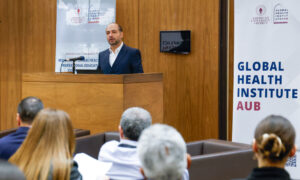
 almontasher  عقد معهد الصحة العالمية في الجامعة الأميركية في بيروت، من خلال قسمه الأكاديمي وبرنامج طب النزاعات فيه، ندوة بعنوان: “إعادة تشكيل تعليم العناية الصحية النظامي: الرؤى وخارطة طريق للتبني،” حضرها أصحاب اهتمام رئيسيين من الأوساط الأكاديمية ومنظمات العناية الصحية والقطاع الإنساني. ركزت الندوة على مستقبل تعليم العناية الصحية في البيئات المتأثرة بالنزاعات ودور التعاون المتعدّد التخصصات في تعزيز برامج التدريب. وهدفت إلى استكشاف مسارات عملية لدمج التدريب المستجيب للنزاعات في مختلف مناهج العناية الصحية، مما يعزز تطوير فرق العناية الصحية المهيّأة للانتشار والقادرة على توفير العناية التي تركز على المريض في النزاعات والبيئات الهشة.


الدكتور زاهر ضاوي، وكيل الشؤون الأكاديمية في الجامعة، افتتح الندوة، وأكد التزام الجامعة بتطوير تعليم العناية الصحية، وبمسؤوليتها في تدريب مهنيين قادرين على مواجهة التحديات في أماكن هشة تسودها النزاعات. أما الدكتور شادي صالح، المدير المؤسِّس لمعهد الصحة العالمية، فأكد على الحاجة الماسة لمواءمة التثقيف الصحي العالمي مع السياقات المحلية. ودعا إلى نهج أكثر اشتمالاً وأوسع تعدّداً للتخصصات يدمج التمريض والصيدلية والعلاج الفيزيائي والصحة العقلية لتجهيز أخصائيي العناية الصحية بشكل أفضل للاستجابة لتعقيدات بيئات النزاعات.


خطاب الندوة الرئيسي ألقاه الدكتور غسان أبو ستة، مدير برنامج طب النزاعات في معهد الصحة العالمية. وهو ركّز على الحاجة إلى تجاوز العناية التقليدية بضحايا الصدمات من خلال إدراك تأثير القوى الاقتصادية والجيوسياسية في قولبة النزاعات. وأشار إلى الفجوات الحرجة في التعليم الطبي، ولا سيما عدم وجود تدريب هيكلي للعناية المتابعة بمصابي الصدمة، وشدد على أهمية وجود بروتوكولات انتهاء الاستشفاء، وتحسين تخصيص الموارد، وتجهيز أخصائيي العناية الصحية بالمهارات لإدارة المضاعفات الطويلة الأجل. وباستخدام بيانات من بيئات النزاعات، أظهر الدكتور أبو ستة أن أعداد الوفيات الناجمة عن أسباب لا تتعلق مباشرة بعنف النزاعات، من مثل المرض وسوء التغذية وعدم كفاية العناية الصحية المتابعة أثناء النزاعات تتجاوز بكثير تلك الوفيات الناجمة عن العنف المباشر، مما يجعل من الضروري إعادة التفكير في كيفية تعليم طب النزاعات وتطبيقه.


بعد ذلك عقدت جلستا حوار بين الخبراء استكشفتا الأبعاد المختلفة لتعليم العناية الصحية في بيئات النزاعات.

الجلسة الأولى، التي أدارتها رئيسة نقابة الممرضات والممرضين في لبنان عبير علامة، سلّطت الضوء على التجارب المُعاشة لمهنيي العناية الصحية في مناطق النزاعات وسبرت الفجوات الحرجة في الأطر التعليمية الحالية والتدريب العلاجي، مؤكدة على المهارات الأساسية التي ينبغي دمجها في مناهج العناية الصحية. وضم المشاركون في الجلسة ميا عطوي، الطبيبة النفسية المعالجة والمؤسِّسة المشاركة للمنظمة غير الحكومية في لبنان امبرايس (احتضان)، ورئيستها؛ وبيتر سكيلتون، مستشار إعادة التأهيل في حالات الطوارئ في منظمة الصحة العالمية في سويسرا؛ والدكتور جو سلوم، رئيس نقابة الصيادلة في لبنان؛ والدكتورة ريهام جفال، رئيسة خدمة حماية وتعزيز الصحة في مقر الأونروا في الأردن. وسلطت المناقشات الضوء على التعقيدات الأخلاقية لتوفير العناية في البيئات الهشة ومحدوديات النماذج التدريبية القائمة، والحواجز البنيوية التي تعيق الاستجابة الفعالة للأزمات.


الجلسة الثانية أدارتها الدكتورة سمر نورالدين، عميدة كلية رفيق الحريري للتمريض والأستاذة فيها، في الجامعة الأميركية في بيروت. واستكشفت الجلسة الاستراتيجيات العملية لتضمين التدريب المتعلق بالنزاعات في أطر تعليم العناية الصحية. وقد شارك في الجلسة الدكتور ناصر الشريف، عميد كلية الصيدلة والأستاذ فيها، في الجامعة اللبنانية الأميركية؛ والدكتورة فتحية شبو، مديرة مجلس التدريب للطب النفسي في مجلس التخصص الطبي السوداني؛ والدكتورة ابتسام صعب، أستاذة ورئيسة قسم العلاج الفيزيائي في جامعة بيروت العربية؛ والدكتور خالد السويدي، عميد كلية الصيدلة بجامعة عدن في اليمن. وهم ناقشوا أهمية دمج إدارة الأزمات، واتخاذ القرارات أخلاقياً، والحساسية الثقافية في مناهج العناية الصحية. وقد أكدوا على الحاجة إلى التعاون بين المهنيين، والحياد الطبي، والتدريب الأخلاقي البنيوي، مع الدعوة إلى الأساليب التعليمية المبتكرة مثل التعلم القائم على المحاكاة والتعليم عن بعد لتعزيز الجهوزية العملية لبيئات النزاعات.


يُذكر أن هذه الندوة شكلت منصة للمناقشة المستمرة للحوار الذي أطلقه معهد الصحة العالمية في وقت سابق من هذا العام في ندوة “دمج طب الصراع في التعليم الطبي – ضرورة وتحدي للوضع المتأثر بالصراع،” والتي أبرزت الحاجة إلى دمج طب النزاعات في مناهج كلية الطب.


ووسعت هذه الندوة الثانية نطاق الحوار لإشراك مجموعة واسعة من المتخصصين في مجال العناية الصحية، مما يعزز دور المعهد في تشكيل تعليم العناية الصحية المتعلقة بالنزاعات. وسلطت الندوتان الضوء على الحاجة الملحة لتجهيز أخصائيي العناية الصحية بالمهارات اللازمة للعمل بشكل فعال في أماكن النزاعات، مما يمثل خطوة كبيرة نحو ترسيخ طب النزاعات كعنصر أساسي في جميع البرامج النظامية لتعليم العناية الصحية في منطقة الشرق الأوسط وشمال إفريقيا.  

The Global Health Institute at AUB Expands Dialogue on Conflict-Related Healthcare Education

The Global Health Institute (GHI) at the American University of Beirut (AUB), through its Academy Division and Conflict Medicine Program (CMP), hosted an event titled “Reshaping Formal Healthcare Education: Insights and Roadmap for Adoption.” The event was attended by key stakeholders from academia, healthcare organizations, and the humanitarian sector. It focused on the future of healthcare education in conflict-affected settings and the role of interdisciplinary collaboration in strengthening training programs. The event aimed to explore practical pathways for integrating conflict-responsive training into various healthcare curricula, fostering the development of deployable healthcare teams capable of delivering patient-centered care in conflict and fragile settings.

Dr. Zaher Dawy, AUB provost, opened the event, and reaffirmed AUB’s commitment to advancing healthcare education and its responsibility to train professionals capable of addressing challenges in fragile and conflict settings. Dr. Shadi Saleh, founding director of GHI, stressed the critical need to tailor global health education to local contexts. He advocated for a more inclusive and interdisciplinary approach that integrates nursing, pharmacy, physical therapy, and mental health to better equip healthcare professionals to respond to the complexities of conflict settings.

A keynote address by Dr. Ghassan Abu Sittah, director of the Conflict Medicine Program at GHI, highlighted the need to move beyond conventional trauma care by recognizing the economic and geopolitical forces shaping conflicts. He pointed to critical gaps in medical education, particularly the lack of structured training for post-trauma care, and stressed the importance of systematizing discharge protocols, optimizing resource allocation, and equipping healthcare professionals with the skills to manage long-term complications. Using data from conflict settings, he underscored how indirect deaths—resulting from disease, malnutrition, and inadequate follow-up care during conflict—often far exceed those caused by direct violence, making it imperative to rethink how conflict medicine is taught and applied.

Two expert panel discussions further explored the different dimensions of healthcare education in conflict settings. The first panel, moderated by President of the Order of Nurses in Lebanon Abir Alame, focused on the real-world experiences of healthcare professionals in conflict zones and explored the critical gaps in current educational frameworks and clinical training, underscoring the essential skills that should be integrated into healthcare curricula. Panelists included Mia Atoui, clinical psychologist and cofounder and president of Embrace NGO in Lebanon; Peter Skelton, rehabilitation in emergencies consultant at the World Health Organization (WHO) in Switzerland; Dr. Joe Salloum, president of the Order of Pharmacists in Lebanon; and Dr. Reham Jaffal, chief of health protection and promotion at the headquarters of the United Nations Relief and Works Agency (UNRWA) in Jordan. Discussions highlighted the ethical complexities of providing care in fragile settings, the limitations of existing training models, and the structural barriers that impede effective crisis response.

The second panel, moderated by Dr. Samar Noureddine, dean and professor at the Rafic Hariri School of Nursing at AUB, explored practical strategies for embedding conflict-related training within healthcare education frameworks. Panelists Dr. Naser Alsharif, dean and professor at the School of Pharmacy at the Lebanese American University; Dr. Fathia Shabo, director of the Training Council for Psychiatry at the Sudanese Medical Specialization Board; Dr. Ibtissam Saab, professor and head of the Physical Therapy Department at the Beirut Arab University; and Dr. Khaled Alsweedi, dean of pharmacy at the University of Aden in Yemen. They discussed the importance of integrating crisis management, ethical decision-making, cultural sensitivity among others into healthcare curricula. They underscored the need for interprofessional collaboration, medical neutrality, and structured ethical training, while advocating for innovative educational approaches such as simulation-based learning and distance education to enhance practical preparedness for conflict settings.

This event served as a platform for a continued discussion of the dialogue previously launched by GHI at the “Integrating Conflict Medicine in Medical Education – A Necessity and a Challenge for Conflict-Affected Settings” event earlier this year, which highlighted the need to incorporate conflict medicine into medical school curricula. This second discussion broadened the conversation to engage a wider range of healthcare professionals, reinforcing GHI’s role in shaping conflict-related healthcare education. Together, these two events highlighted the urgent need to equip healthcare professionals with the skills to operate effectively in conflict settings, marking a significant step toward embedding conflict medicine as an essential component of all formal healthcare education programs in the MENA region.

عن mcg

شاهد أيضاً

​ زغيب شارك في إجتماع رؤساء البعثات للدورة الآسيوية الشاطئية في الصين ( سانيا – 2026 )

almontasher >شارك عضو اللجنة الأولمبية اللبنانية المحاسب روكز زغيب في إجتماع رؤساء البعثات لدورة الألعاب …